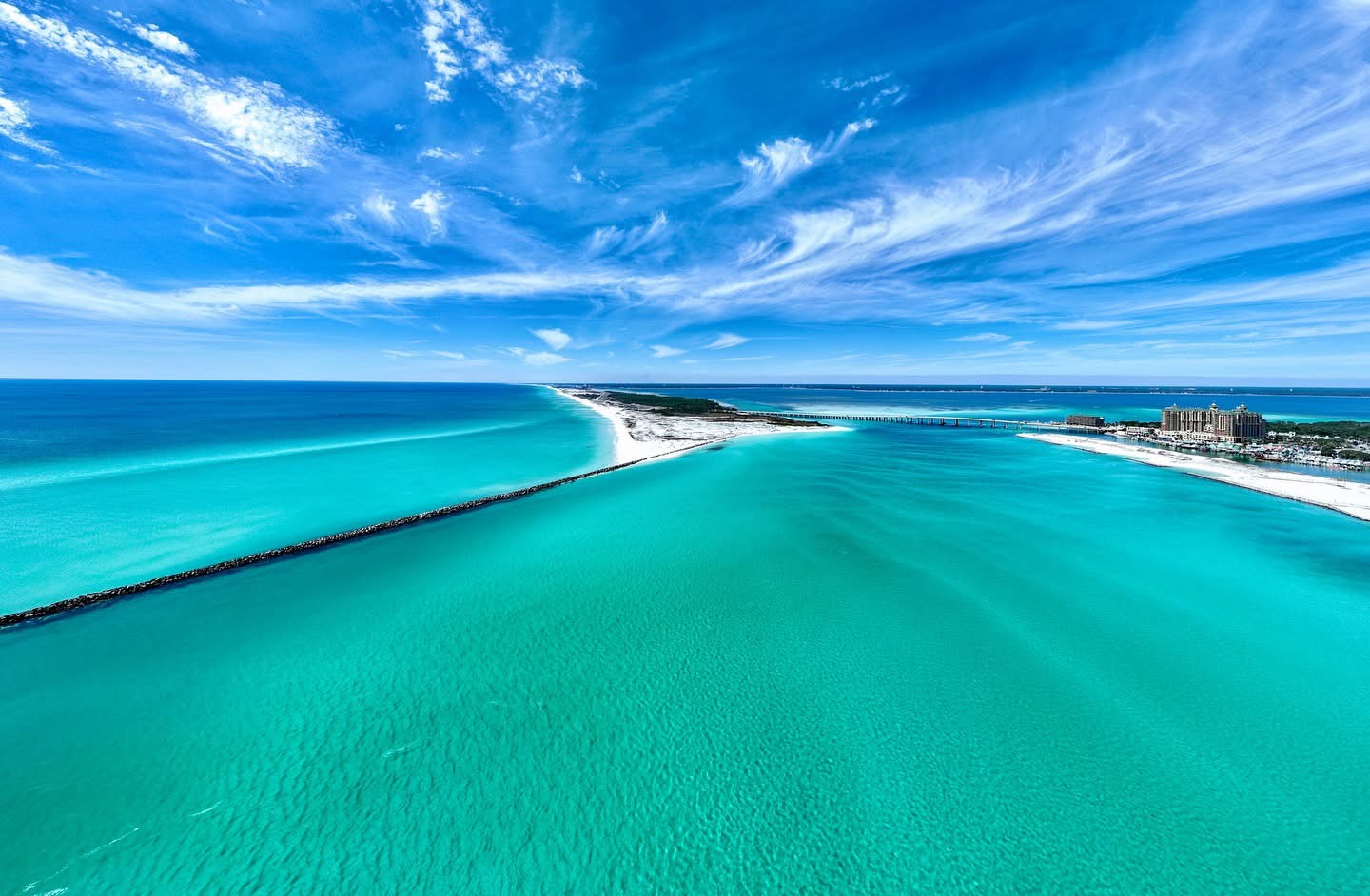
Quick Answer: Why did Florida declare a beach erosion emergency in Walton County? On November 19, 2026, Governor Ron DeSantis signed Executive Order 26-233 after Hurricane Isaias worsened longstanding shoreline erosion along Walton County's Gulf Coast. Florida's Department of Environmental Protection had already identified 18.8 miles of critically eroded beaches in its June 2026 report. The emergency declaration makes state funding available for a state-and-locally funded response and authorizes coordination to expedite necessary approvals. However, the order does not guarantee immediate restoration of every affected beach, establish a complete construction schedule or automatically change private beach ownership rights. Karen Holder, a luxury real estate advisor with 34 years living along the Emerald Coast, explains what this means for Scenic Highway 30A homeowners, Gulf-front buyers and the future of our coastline.
Updated: November 23, 2026
Breaking News: This article is based on Florida Executive Order 26-233, signed November 19, 2026; the Florida Department of Environmental Protection's June 2026 Critically Eroded Beaches report; and reported Walton County restoration discussions. Project details, funding allocations, owner permissions and construction schedules may change as the response progresses.
Florida Declares a Shoreline Erosion Emergency in Walton County
After living along the Emerald Coast for 34 years, I've seen firsthand just how important our beautiful beaches are to the communities of Scenic Highway 30A.
Our sugar-white sand and emerald waters are much more than the backdrop for luxury real estate. They're part of our identity.
On November 19, 2026, Governor Ron DeSantis signed Executive Order 26-233, declaring a shoreline erosion emergency in Walton County following Hurricane Isaias.
According to the executive order, the hurricane worsened decades of erosion, creating additional concerns for public shoreline access, coastal property and the local economy.
The order identifies 18.8 miles of critically eroded coastline and makes state funds available for an emergency response involving state and local governments.
This is an important development for Walton County, but the declaration is the beginning of a response process—not an announcement that all affected beaches have already been scheduled for restoration.
What Does 18.8 Miles of Critically Eroded Shoreline Actually Mean?
One of the most important details is that the 18.8-mile figure did not originate with the November emergency declaration.
Florida's Department of Environmental Protection identified 18.8 miles of critically eroded shoreline in Walton County in its June 2026 report, before Hurricane Isaias.
That report lists five separate critically eroded shoreline segments identified by state coastal reference monuments:
- R1 to R23.6: 5.2 miles
- R41 to R64: 4.5 miles
- R67 to R72: 1.0 mile
- R78 to R98: 3.9 miles
- R105.5 to R127.4: 4.2 miles
Combined, those designated segments total 18.8 miles.
These reference monuments provide a technical way to identify the affected shoreline.
They do not establish that every property throughout Walton County has experienced identical damage or that every section of the coastline will receive the same restoration work.
The distinction matters when considering individual Gulf-front homes, condominiums and beach access locations.
A countywide erosion designation should never replace a property-specific evaluation.
Why Is Beach Erosion Such an Important Issue Along 30A?
The beaches of South Walton are among the area's most valuable natural resources.
They support public recreation, wildlife habitat, coastal tourism and the distinctive environment that draws homeowners and visitors to Scenic Highway 30A.
Our dunes also serve an important function in the coastal landscape.
During storms, dunes and beach systems can absorb some of the energy associated with waves and storm surge.
When dunes and beaches lose sand, the shoreline may become more vulnerable to additional erosion.
The extent of that vulnerability depends on local conditions, elevation, construction and the character of the shoreline.
For Gulf-front property owners, changes to the beach can also affect the setting surrounding their homes, the condition of beach access routes and future maintenance or restoration considerations.
Protecting the coastline is about preserving a natural resource, maintaining access and understanding the long-term resilience of our coastal communities.
What Does Governor DeSantis's Executive Order Actually Authorize?
Executive Order 26-233 provides several important measures intended to support Walton County's response.
First, it formally declares a shoreline erosion emergency under Florida law.
Second, it makes state funds available for a state-and-locally funded response.
Third, it authorizes the Florida Department of Environmental Protection to coordinate with local governments and other agencies, including obtaining necessary federal authorizations.
The order also provides authority to expedite certain permitting and administrative processes under applicable emergency powers.
It directs state officials to use existing public access points and public lands for construction activities to the maximum extent practicable.
However, the order does not identify a final restoration design for every affected location, guarantee funding for every possible project or establish a complete construction schedule.
Homeowners should distinguish between the emergency funding authority that has been established and the individual projects that still need to be planned and implemented.
Could 30A Beaches Be Restored or Renourished?
Beach nourishment is one potential method of responding to shoreline erosion.
It generally involves placing compatible sand along an affected shoreline to restore beach width or address erosion-related conditions.
Depending on the project, work can also involve dune restoration, vegetation, access improvements and ongoing monitoring.
Walton County officials have been discussing restoration options following Hurricane Isaias.
However, any particular project may require engineering, environmental review, funding agreements, property access arrangements and approvals from appropriate agencies.
Restoration also cannot guarantee that a beach will remain unchanged after future storms.
Beaches are dynamic coastal systems, and ongoing monitoring and maintenance may be necessary.
The important question for property owners is not simply whether sand will be added, but where work is proposed, how it will be performed and what long-term obligations may be involved.
What Does This Mean for Privately Owned Beaches on 30A?
This may become one of the most significant questions as Walton County evaluates restoration options.
Some Gulf-front property owners along Scenic Highway 30A have private property interests extending toward the shoreline.
Walton County's beach ownership and public access issues are already complex, involving recorded deeds, easements, applicable laws and other property-specific circumstances.
The November 19 emergency order does not, by itself, transfer private beach ownership to the government or automatically establish new public access rights over every privately owned beach.
However, restoration work on private property may involve obtaining necessary permissions and negotiating construction easements.
Walton County officials have publicly discussed the difficulty of obtaining authorization from private property owners when projects require placing sand or conducting construction activities on their land.
For property owners, the actual easement language matters.
Questions may include:
- Where will construction equipment be permitted to enter?
- What portion of the property would be involved?
- Would the agreement create temporary or continuing obligations?
- Would public access rights be affected?
- Who would be responsible for monitoring and future maintenance?
- Could the restoration affect property boundaries or regulatory requirements?
Owners should have qualified Florida coastal property counsel review any proposed easement or agreement before signing.
Could Beach Restoration Affect Gulf-Front Property Values?
It's reasonable for homeowners and prospective buyers to ask whether restoration could influence property values.
Healthy beaches, well-maintained coastal access and attractive natural surroundings are important parts of the ownership experience along Scenic Highway 30A.
But it would be premature to predict property appreciation based solely on the emergency declaration.
Actual market effects could depend on the proposed restoration location, design, timing, funding, future maintenance and individual property characteristics.
For a luxury Gulf-front home, property value is also influenced by the lot, elevation, construction, views, privacy, beach access, condition and comparable sales.
A restored beach may be an important consideration, but it should not be treated as a guaranteed increase in market value.
My advice is to evaluate the property as it exists today while carefully considering verified plans that may affect its future surroundings.
What Should Buyers Verify Before Purchasing Gulf-Front Real Estate on 30A?
As a real estate advisor, this is where I believe local knowledge and careful due diligence become especially important.
When purchasing a Gulf-front home or condominium, buyers should look beyond the beauty of the view.
I recommend examining:
- Shoreline conditions: Review available erosion history, current beach conditions and applicable state coastal designations.
- Survey and boundaries: Understand property lines, recorded easements and relevant coastal boundary considerations.
- Dune conditions: Evaluate the dunes and any existing restoration, protection or maintenance requirements.
- Insurance: Obtain property-specific homeowners, wind and flood insurance information.
- Coastal construction rules: Determine whether proposed improvements could be affected by applicable permitting or Coastal Construction Control Line requirements.
- Beach access: Confirm legal access rights and whether current access routes are usable.
- Restoration proposals: Investigate any documented projects, easements, assessments or construction activity that could affect the property.
- Association obligations: For condominiums and planned communities, review governing documents, budgets and potential coastal maintenance responsibilities.
Not every Gulf-front property faces the same exposure or legal circumstances.
And a property located outside a critically eroded segment should not automatically be assumed to have no future shoreline risk.
Every coastal purchase deserves its own investigation.
What About WaterColor, Rosemary Beach, Alys Beach and WaterSound?
Luxury buyers considering these communities may be particularly interested in the longer-term implications of beach restoration.
WaterColor, Rosemary Beach, Alys Beach and WaterSound each have distinctive residential settings and different arrangements for beach access and amenities.
But the presence of a recognized luxury community does not eliminate the need to evaluate individual shoreline conditions.
Likewise, the county's 18.8-mile erosion designation does not mean every beachfront property in these communities is equally affected.
When representing buyers, I want to understand the exact property location, how beach access is established, what its governing documents provide and whether any restoration proposal specifically affects the address.
The name of the community is important, but the individual property facts are what ultimately matter.
Why Protecting Our Beaches Is About More Than Real Estate
After 34 years living along the Emerald Coast, I have a deep appreciation for what our beaches mean to the people who live here and visit.
These are places where families gather.
Where children and grandchildren spend summers together.
Where people return year after year to enjoy the water, walk the shoreline and create lasting memories.
Our beaches are also an essential part of the natural environment and the identity of the communities along Scenic Highway 30A.
That's why I believe serious attention to protecting and maintaining this coastline matters.
But restoration efforts must also address legitimate questions involving private property rights, environmental impacts, public access and long-term responsibilities.
Protecting our beaches and respecting the rights of coastal property owners should be part of the same thoughtful conversation.
Karen Holder's Perspective: What Happens Next?
I've seen this coastline experience major storms, changing beach conditions and years of development.
Our beaches are beautiful, but they are not static.
Governor DeSantis's November 19 declaration is an important recognition that shoreline erosion in Walton County requires attention.
But there are still questions that homeowners and buyers need answered.
Which sections will receive restoration?
How will projects be funded?
What agreements will be requested from private Gulf-front owners?
What will construction involve, and when could work begin?
And what will long-term monitoring and maintenance require?
As those answers become available, homeowners should review official project information rather than relying solely on social media discussions.
For buyers, I recommend understanding the property, its shoreline setting, its legal rights and its ownership expenses before making a decision.
Before I ask what we should offer, I want to know whether this is a property I want my buyer owning.
The Bottom Line: What the 30A Beach Erosion Emergency Means
Florida's November 19, 2026 shoreline erosion emergency declaration is a significant development for Walton County.
It recognizes worsening erosion following Hurricane Isaias and makes state resources available for a coordinated response.
Florida had already identified 18.8 miles of critically eroded Walton County shoreline before the storm.
The emergency order provides a framework for action, but it does not establish final restoration details for every beach or automatically resolve private property rights.
For Gulf-front homeowners and prospective buyers, careful attention to future project announcements, property-specific coastal conditions and legal documentation remains essential.
The beaches of 30A are part of what makes our communities extraordinary. Protecting them is about preserving the coastline, our homes and the experiences families treasure for generations.
If you're considering purchasing Gulf-front real estate along Scenic Highway 30A, I can help you evaluate individual properties, their coastal setting and the ownership considerations that deserve attention before making an offer.
Official Sources and Additional Buyer Resources
- Florida Executive Order 26-233 — November 19, 2026
- Florida DEP — Critically Eroded Beaches Report, June 2026
- Walton County Officials Discuss Beach Restoration
- Surveys, Easements and Property Lines on 30A
- Explore 30A Gulf-Front and Luxury Homes for Sale
About Karen Holder
Karen Holder is a luxury real estate advisor specializing in Scenic Highway 30A and the Emerald Coast. With 34 years living along the coast, more than 20 years in real estate and over $1 billion in personal career real estate sales, Karen helps buyers and sellers understand coastal communities, property values, ownership costs and the details that influence luxury real estate decisions.
Real answers from someone who's helped buyers make these decisions for more than 20 years.
Karen Holder
Luxury Real Estate Advisor | Scenic Highway 30A
Phone: (850) 687-1064
Email: Kmholder30a@gmail.com
Website: 30APropertySearch.com
Disclaimer: Information current as of November 23, 2026. This article provides general coastal real estate information and is not legal, environmental, engineering or insurance advice. Emergency declarations, restoration projects, public access arrangements and property rights must be evaluated under current official records and applicable law. Buyers and owners should consult qualified coastal engineers, surveyors, attorneys, insurance professionals and government agencies as appropriate. The description of critically eroded shoreline does not mean every property in a designated community has experienced the same damage.