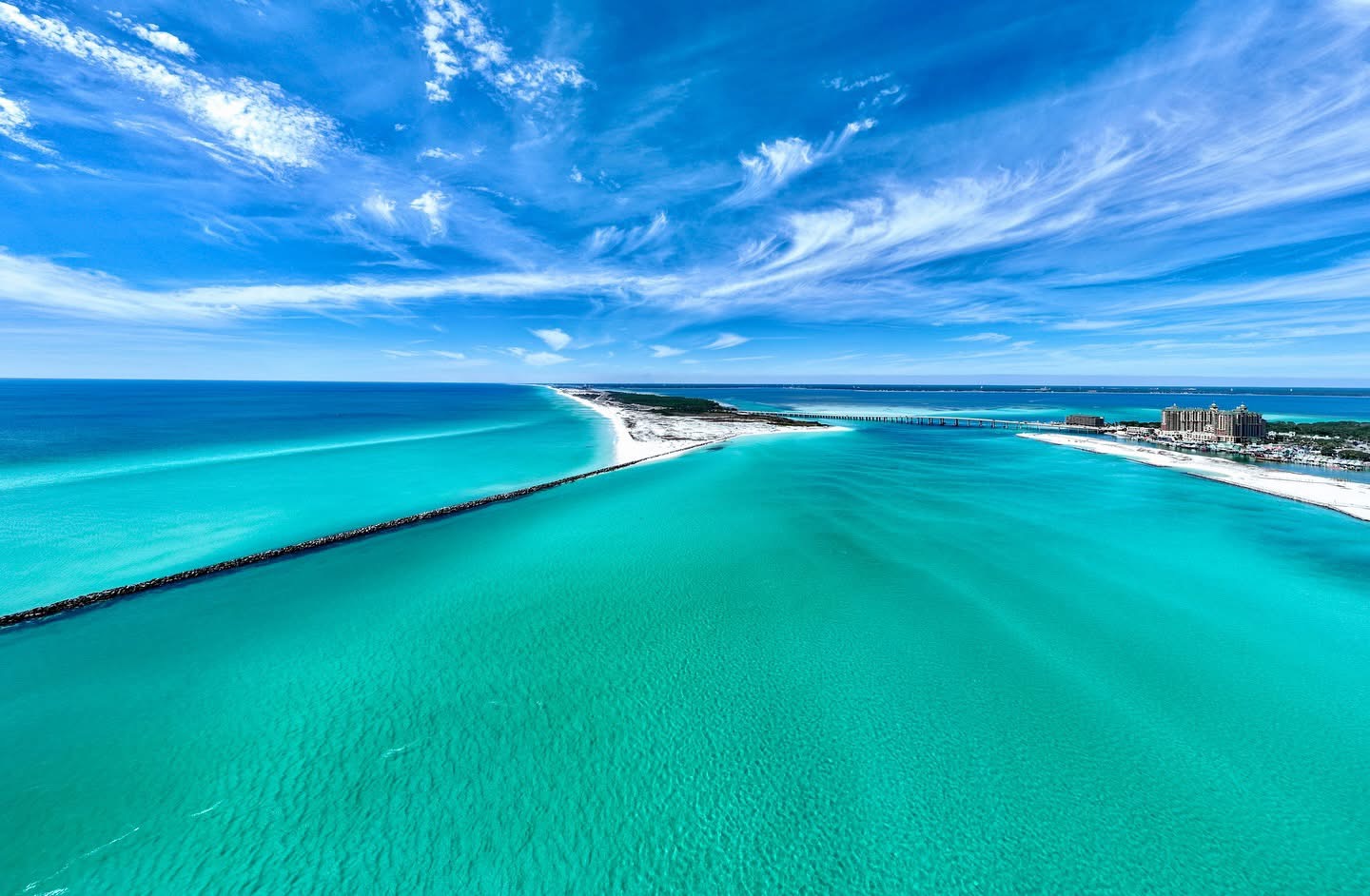
Quick Answer: Yes, buyers can still find true Gulf-front real estate on and around Scenic Highway 30A for $5 million or less, but the opportunities vary dramatically. Depending on current inventory, that budget may buy an older detached Gulf-front home with valuable frontage, a renovated beach house, a smaller home where much of the value is in the land, or a luxury Gulf-front condominium. After more than 20 years in real estate, Karen Holder believes buyers should compare more than price and square footage. Gulf frontage, lot width, beach condition, elevation, construction, insurance, flood considerations, rental potential, maintenance, redevelopment options, and future resale can matter even more.
Key Takeaways
- True Gulf-front property under $5 million still appears along the 30A corridor, but inventory can be limited and changes quickly.
- A $4 million Gulf-front property and a $4 million home across 30A can represent completely different value propositions.
- Some Gulf-front purchases are primarily about the house. Others are largely about the land and beachfront position.
- Lot width, dune condition, elevation, setbacks, construction history, and the actual relationship between the home and Gulf matter enormously.
- Older does not automatically mean worse. An older home on exceptional Gulf frontage may possess something newer construction cannot reproduce.
- Insurance and storm exposure should be investigated early, not after a buyer is emotionally committed.
- Rental potential can be significant, but projections should never be treated as guaranteed income.
- An investor should be financially comfortable if rentals are interrupted by a storm, repair, evacuation, or another unforeseen event.
- For Gulf-front property, maintenance and future capital expenses deserve particular attention.
- If redevelopment is part of the purchase strategy, never assume the current home can simply be replaced with whatever you want to build.
- The best Gulf-front purchase is usually the one with advantages another buyer will immediately understand later.
One of the questions buyers ask me is:
“Karen, if I have up to $5 million to spend, can I actually buy Gulf front on 30A?”
Yes.
But this is where I want to slow the conversation down.
Because Gulf front under $5 million can mean several very different things.
You might find an older beach house sitting on remarkable Gulf frontage.
You might find something beautifully renovated but smaller than you expected.
You might find a property where I believe the land is actually more important than the house.
You might find a luxury condominium with panoramic Gulf views, building amenities, and significantly less exterior maintenance.
Or you may decide that spending the same $5 million one row back gives you a much larger, newer home with a private pool and better overall floor plan.
None of those choices is automatically right or wrong.
The real question is:
What are you trying to own?
First: I Mean True Gulf Front
This distinction is important.
On 30A, buyers will see descriptions such as:
- Gulf front
- Gulf view
- Gulf adjacent
- South of 30A
- Steps to the beach
- Beachside
- Private beach access
Those are not interchangeable.
When I say Gulf front, I am talking about a property whose waterfront relationship is directly with the Gulf of Mexico.
That is a fundamentally different asset from a beautiful home with a Gulf view.
And buyers generally pay accordingly.
Karen’s Tip: Never pay a Gulf-front premium based on marketing language. I want to understand the parcel, survey, title, shoreline relationship, access, and exactly what we are buying.
So What Can $5 Million Actually Buy?
The answer changes with inventory, but in today's market a sub-$5 million Gulf-front search can expose several very different opportunities.
1. A Detached Gulf-Front Home
This is often what buyers mean when they first call me.
They want:
- The house
- The land
- Direct Gulf frontage
- No shared building
- A private outdoor environment
- The ability to walk directly toward the beach from their property
Those opportunities do still appear below $5 million.
But something usually explains the price.
It may be:
- An older home
- Smaller square footage
- An interior that needs updating
- A western 30A location rather than one of the highest-priced east-end communities
- A challenging floor plan
- Higher maintenance needs
- A home being valued partly for redevelopment potential
That is not necessarily a negative.
In fact, this is sometimes where I think a sophisticated buyer can find something very interesting.
A Current Example: Dune Allen
One recent 2026 example illustrates this perfectly.
A Gulf-front property on Fort Panic Road in Dune Allen has been offered just under $4 million after previously being priced considerably higher.
The home itself is approximately 2,300 square feet with four bedrooms.
But the more interesting number to me is the reported 100 feet of Gulf frontage.
That changes how I evaluate the property.
I am no longer asking only:
“Is 2,300 square feet worth $4 million?”
I am asking:
“What is 100 feet of Gulf frontage worth, what sits on it today, and what are the long-term possibilities and limitations of that parcel?”
Those are completely different questions.
A Current Example: Grayton Beach
Grayton Beach gives us another version of Gulf-front value.
A Gulf-front residence on Magnolia Street has been marketed below $5 million during 2026.
Here you are not simply buying the Gulf.
You are also buying into one of 30A's most distinctive historic beach communities, within walking distance of the heart of Grayton and near Western Lake.
That combination can create a very different resale story from a property sitting on an isolated stretch of beachfront.
This is why I never talk about Gulf front as one single market.
Location still matters even after you reach the water.
2. A Luxury Gulf-Front Condo
The other important category under $5 million is the luxury condominium.
And I think some detached-home buyers dismiss this option too quickly.
A Gulf-front condominium can potentially give you:
- Extraordinary elevation and Gulf views
- Direct beach access
- Large balconies
- A lock-and-leave lifestyle
- Building amenities
- Less exterior maintenance personally
- A prime location that might be financially unreachable as a comparable detached Gulf-front home
The tradeoff is that you are buying:
the residence + the building + the association.
That means the association documents, reserves, insurance, building history, assessments, and maintenance become part of my buying decision.
A Condo Can Sometimes Buy You a Better Gulf Experience
This is something buyers do not always expect me to say.
If your goal is:
Wake up.
Look directly at the Gulf.
Walk downstairs.
Go to the beach.
Come home.
Lock the door.
Leave.
A really good Gulf-front condominium may give you a better personal ownership experience than a detached house requiring continual exterior maintenance.
Especially if you do not need:
- A private yard
- A large private pool
- Six bedrooms
- Extensive owner storage
Luxury is not automatically the larger house.
Sometimes luxury is ease.
3. You May Be Buying the Land More Than the House
This is where Gulf-front buying becomes especially interesting.
An older home may not photograph beautifully.
The kitchen might be dated.
The bathrooms might need work.
The floor plan may belong to another era.
But then I walk outside.
And suddenly I see:
- Wide Gulf frontage
- An unusually deep parcel
- A spectacular orientation
- Strong privacy
- A difficult-to-reproduce position
Now I am looking at the property differently.
The house is changeable.
The Gulf frontage is not.
What Most Buyers Miss: Lot Width Can Matter Tremendously
If I am comparing two Gulf-front properties, I want to know the frontage.
Forty feet and one hundred feet are very different beachfront experiences.
Wider frontage can potentially affect:
- Views
- Privacy
- Building possibilities
- Outdoor living
- Pool placement
- Future buyer appeal
- Scarcity
But I never look at frontage alone.
Parcel depth matters.
Existing setbacks matter.
Dunes matter.
Regulatory limitations matter.
And the exact building envelope matters.
A spectacular lot is only spectacular if we understand what can legally and practically be done with it.
Never Assume You Can Tear It Down and Build Anything You Want
This is extremely important.
I occasionally hear:
“We don't care about the house. We'll just tear it down.”
Maybe.
But before I value the property as a redevelopment opportunity, I want appropriate professionals helping us understand:
- Current zoning
- Setbacks
- Coastal construction requirements
- Florida's Coastal Construction Control Line requirements where applicable
- Building height
- Lot coverage
- Parking requirements
- Septic or sewer conditions where relevant
- Stormwater requirements
- Dune protection
- Association or architectural restrictions, if applicable
The fact that a large home exists on a neighboring property does not automatically mean you can build the same thing on this parcel.
I want that understood before we assign future value to a redevelopment plan.
Older Gulf-Front Does Not Automatically Mean Worse
This is another mistake I see.
A buyer tours a newer $5 million home one block off the beach.
Then we tour an older $4 million home directly on the Gulf.
The newer home has:
- A beautiful kitchen
- New bathrooms
- More bedrooms
- Higher ceilings
- A perfect pool
- New furnishings
The Gulf-front property may have none of that.
And yet:
I can renovate almost everything on that list.
I cannot move the other house onto the Gulf.
Karen’s Observation: One of the most important things I teach buyers is to separate permanent value from changeable value. Paint, kitchens, flooring and furnishings can change. Gulf frontage, lot position and coastline cannot.
But I Still Want to Know Who Built the House
Just as we discussed in my WaterColor and Kaiya buyer guides, builder and construction history matter to me.
For an older Gulf-front home I want to investigate:
- Original builder where known
- Year built
- Major renovations
- Roof age
- Windows and doors
- Structural work
- Exterior cladding
- Decks and balconies
- Water intrusion history
- Storm repairs
- Permits
- HVAC
- Plumbing and electrical updates
Coastal houses work hard.
I want to know how the house has performed.
Past Problems — or the Lack of Them — Matter
This is something I look at closely.
A repaired problem does not automatically scare me.
If something happened, was identified, professionally corrected, and never returned, that is useful information.
A recurring pattern deserves more investigation.
And a Gulf-front house that has weathered years of coastal exposure without a significant history of problems tells me something too.
The absence of problems is part of the property's story.
Floor Plan Still Matters — Even When the View Is Incredible
This is where buyers can get distracted.
You walk in.
You see blue water through the glass.
And suddenly nobody cares where the bedrooms are.
I do.
I want to know:
- Is there a primary bedroom on the main level?
- How many bedrooms actually have Gulf views?
- Do guest bedrooms have privacy?
- Can grandparents stay comfortably?
- Is there a bunk area for children?
- How many people can dine together?
- Does the kitchen work when the home is full?
- Is there an elevator?
- How much owner storage exists?
- Where does beach equipment go?
The Gulf can sell the showing.
The floor plan determines how you live there.
Understand the Stairs
This sounds simple, but in Gulf-front homes it can become extremely important.
Many properties use vertical construction to maximize views.
That can mean:
- Three levels
- Four levels
- Living areas upstairs
- Primary bedrooms on upper floors
If the home has an elevator, I want to understand its age, service history, and reliability.
If it does not, I want the buyer imagining the property ten years from now.
A floor plan that feels fun at 52 may feel very different at 72.
Gulf-Front Maintenance Deserves Its Own Budget
This is not the place where I want to underestimate maintenance.
Salt.
Wind.
Sun.
Humidity.
Blowing sand.
Storms.
Everything facing the Gulf takes punishment.
Depending on the property, I want to budget for items such as:
- Exterior painting and coatings
- Windows and doors
- Decks and balconies
- Railings
- Roof maintenance
- HVAC equipment
- Outdoor furniture
- Pool equipment
- Landscaping
- Metal fixtures
- Waterproofing
I would rather give a buyer a realistic ownership picture before closing.
What Does It Really Cost to Own a $5 Million Gulf-Front Property?
This is one of my standard buyer conversations now.
I do not want only the mortgage payment.
I want the ownership budget.
That may include:
- Property taxes
- Homeowners insurance
- Flood insurance where applicable
- Wind-related deductibles
- HOA or condominium assessments
- Pool maintenance
- Landscaping
- Pest control
- Utilities
- Exterior maintenance
- HVAC service
- Elevator service if applicable
- Furniture replacement
- Property management
- Cleaning
- A reserve for major future work
A buyer who can afford the purchase price should also be comfortable with the property's normal and abnormal years.
Insurance Needs to Come Into the Conversation Immediately
I do not want insurance being addressed five days before closing on a Gulf-front purchase.
I want a property-specific conversation early.
The insurer may care about:
- Year built
- Roof
- Construction
- Elevation
- Windows and openings
- Wind mitigation
- Flood exposure
- Replacement cost
- Prior claims
And I want the buyer paying close attention to deductibles.
My 30A Home Insurance in 2026 guide explains why the premium alone does not tell the entire insurance story.
A Beautiful Dune Is Part of the Property
I think buyers sometimes look beyond the house and see only Gulf water.
I look down too.
What is happening between the house and the Gulf?
I want to understand:
- Dune structure
- Vegetation
- Walkway or beach access
- Elevation
- Neighboring structures
- Storm history where available
- The practical path from house to sand
The beachfront experience begins before your feet touch the water.
Rental Potential Can Be Significant
Some Gulf-front properties can be extremely compelling vacation rentals.
It is easy to understand why.
Guests search for:
- Direct Gulf front
- Private beach access
- Views
- Private pools
- Large sleeping capacity
- Multiple Gulf-facing bedrooms
- Walkability
- Outdoor living
But I still want to understand why a guest would choose this particular property over another Gulf-front rental.
Bedroom count alone is not enough.
Evaluate Rental Potential Even If You Do Not Plan to Rent
This is becoming one of my standard buying rules.
Buyers tell me:
“Karen, this is only for us.”
That is fine.
I still want to know its rental potential.
Because your plans may change.
Your children may use the property differently.
Or your eventual buyer may place tremendous value on rental income.
Strong rental characteristics can help create another layer of flexibility.
Karen’s Investor Test: What Happens When the Gulf Is Not Perfect?
If you are buying Gulf front primarily as an investment, this is one of the most important conversations we will have.
Would you still be financially comfortable owning this property if it produced little or no rental income for several months?
Because the Gulf that creates the property's value also creates risk.
Rental activity can potentially be interrupted by:
- Hurricanes
- Tropical storms
- Mandatory evacuations
- Beach closures
- Storm damage
- Property repairs
- Insurance claims
- Travel disruption
- Unexpected maintenance
- Other unforeseen events
I like rental income.
I just never want a buyer purchasing a multimillion-dollar property that works financially only during the perfect year.
Karen’s Investor Perspective: The Gulf-front property I like best is not necessarily the one with the highest projected rental number. It is the one with a strong rental story, durable real estate advantages, and an owner who can comfortably weather an interruption.
Rental History Needs Context
If a property has an impressive rental history, I want to see it.
But I also want to know:
- Was it professionally managed?
- How many weeks did the owner block?
- What was gross rental income?
- What was actually retained after management and expenses?
- What did cleaning cost?
- What did maintenance cost?
- How often were furnishings replaced?
- Were there extraordinary repair expenses?
- How did occupancy vary seasonally?
Gross rental income and owner return are not the same number.
Gulf Front Can Have an Extraordinary Resale Story
This is one reason I pay so much attention to true Gulf-front opportunities.
There is only so much Gulf frontage.
You cannot manufacture another coastline.
But scarcity alone does not guarantee a quick resale.
The individual property still needs to make sense.
I ask:
- Is the frontage compelling?
- Is the beach experience good?
- Does the house function well?
- Is the condition good?
- Are carrying costs understandable?
- Is insurance manageable?
- Does it have rental flexibility?
- Is the location desirable?
- Does another buyer immediately understand what makes it special?
If Your Plans Changed, Could I Sell It?
This may be one of my favorite buyer questions.
Imagine you purchase today.
Eighteen months from now your life changes.
You call me and say:
“Karen, we need to sell.”
What is my story?
Is it:
100 feet of Gulf frontage?
Walkable Grayton Beach location?
Rare luxury condo with unobstructed Gulf views?
A beautifully renovated rental performer?
An extraordinary parcel with long-term redevelopment potential?
I want to know the answer before you buy.
Should You Spend $5 Million Gulf Front or $5 Million Across the Street?
This is the comparison I think buyers should make.
For the same money, a non-Gulf-front property might provide:
- Much newer construction
- More square footage
- More bedrooms
- A larger private pool
- Better parking
- More owner storage
- Lower exposure to Gulf-front maintenance
- A highly amenitized community
The Gulf-front home gives you something completely different:
the Gulf.
Neither answer is automatically correct.
I want to know which advantages matter most to you.
My $5 Million Gulf-Front Buyer Test
Before I would feel comfortable recommending a Gulf-front property under $5 million, I want answers to these questions:
- Is this truly Gulf front?
- How much Gulf frontage are we actually buying?
- What does the parcel look like on a survey?
- What is the dune and beach relationship?
- What is the elevation?
- Who built the house and when?
- What renovations have been completed?
- Has the property had recurring issues?
- How old are the roof, HVAC, windows and major systems?
- Does the bedroom layout actually work?
- Does the house work when fully occupied?
- Are stairs or an elevator important to our long-term use?
- What are the realistic yearly maintenance costs?
- Have we obtained a property-specific insurance quote?
- What are the hurricane and wind deductibles?
- What is the rental potential?
- What is the actual net rental picture after expenses?
- If rentals stopped temporarily, would we still be comfortable?
- If redevelopment is part of our plan, have appropriate professionals confirmed what can actually be built?
- If our circumstances changed, what would make the next buyer want this property?
What Most Buyers Miss
The biggest mistake I think a Gulf-front buyer can make is comparing the wrong things.
A 2,500-square-foot Gulf-front home and a 5,000-square-foot home across 30A are not really competing on square footage.
The smaller property may be selling a scarce piece of coastline.
The larger property may be selling construction, space, amenities, and convenience.
Both can be excellent purchases.
But I want to understand:
What portion of this price is the house?
What portion is the land?
What portion is the Gulf frontage?
And which of those things will still matter to the next buyer?
That is where I believe experienced coastal real estate advice becomes particularly valuable.
My Advice After More Than 20 Years in Real Estate
If you give me a $5 million budget and tell me:
“Karen, I want Gulf front.”
I am not going to begin with granite countertops.
I am going to begin with the dirt.
How much frontage?
How deep is the parcel?
How does it sit?
What is between us and the Gulf?
What can we change?
What can we never change?
Then I look at the house.
Who built it?
How has it aged?
What has been repaired?
What has not needed repairing?
Where are the bedrooms?
Can grandparents comfortably stay?
Does the house work with twelve people in it?
How does everyone get from the kitchen to the beach?
Then I want the numbers.
Insurance.
Taxes.
Maintenance.
HOA or condo fees if applicable.
Rental income if appropriate.
Rental expenses.
And a reserve for the year something unexpected happens.
Finally, I think about resale.
If you call me sooner than expected and need to sell, what do I already know the next buyer will value?
That is important to me because Gulf-front real estate can be extraordinarily scarce.
But scarcity does not excuse a bad buying decision.
I still want the right frontage.
The right property.
The right floor plan.
The right ownership cost.
And the right future story.
You are not simply buying a view of the Gulf.
You are buying a physical position on one of the most limited pieces of real estate on Scenic Highway 30A.
That is why I want you buying it carefully.
See What Is Available Gulf Front Under $5 Million
Inventory changes constantly. Use the link below to see current residential properties matching this Gulf-front search, and then let me help you separate the properties that simply meet the filter from the ones I believe deserve a closer look.
View Gulf-Front Properties Under $5 Million
Continue Your 30A Research
- 30A Gulf-Front Luxury Real Estate Guide
- Why Gulf-Front Property on 30A Is So Valuable
- 30A Gulf Front vs. Gulf View
- How to Evaluate Luxury Real Estate on 30A
- Private Beach Access on 30A
- 30A Home Insurance in 2026
- What Makes a 30A Property Hold Its Value?
- 30A Market Report
- Search 30A Real Estate with Karen Holder
Karen Holder
Luxury Real Estate Advisor | Scenic Highway 30A
After more than 20 years in real estate, I help buyers understand the property-level differences that matter when purchasing Gulf-front and luxury real estate along Scenic Highway 30A. That means looking beyond the listing price and evaluating frontage, construction, floor plan, property history, insurance, maintenance, rental potential, ownership costs, and future resale appeal.
My goal is not simply to find you a property with a Gulf-front label. I want to understand exactly what portion of the value comes from the home, the land, the frontage, the location, and the future possibilities — and whether those advantages make sense for the way you intend to own it.
Important Note: Real estate inventory, prices and property status change frequently. Gulf-front status, waterfront boundaries, access rights, buildability, setbacks, Coastal Construction Control Line requirements, zoning, association restrictions, rental requirements, insurance availability, flood considerations and other property-specific matters should be independently verified during due diligence with the appropriate surveyors, attorneys, engineers, architects, insurance professionals, governmental agencies and other qualified professionals. Rental income is not guaranteed and may be affected by storms, evacuations, repairs, market demand, regulations and other unforeseen events. This article provides general real estate information and is not legal, tax, insurance, engineering, construction, financial or investment advice.
Phone: (850) 687-1064
Email: Kmholder30a@gmail.com
Website: 30APropertySearch.com